
Small Cavity, Simple Fix: How Fillings for Kids Work
Can a small cavity in a baby tooth really cause serious harm? Yes — untreated decay spreads fast, but early dental fillings can protect your child’s smile before damage grows.
A tiny dark spot on your child’s tooth may not seem urgent. But tooth decay does not pause on its own — it continues to spread, often faster than parents expect. Pediatric Dental Center, your trusted provider of pediatric dental fillings in Burlington, Cold Spring, and Northern Kentucky, is here to help families catch problems early. Led by Dr. Eric Soper, the practice focuses on treating cavities before they become bigger concerns — and dental fillings are one of the most common ways to do that.
What Is a Dental Filling?
A dental filling repairs the portion of a tooth damaged by decay. The dentist removes the decayed material, cleans the area, and restores the tooth with a filling material. This stops decay from progressing and returns the tooth to normal function. Baby teeth may be temporary, but they still guide speech, chewing, and the spacing of permanent teeth — which means they deserve prompt care.
Why Cavities in Baby Teeth Shouldn’t Be Ignored
Left untreated, tooth decay continues to grow. What starts as a small spot can eventually reach deeper layers of the tooth, potentially leading to infection or more complex treatment needs. Untreated cavities can also make eating uncomfortable and affect a child’s overall oral health. Treating decay while it is still small usually means a simpler, more conservative procedure.
How Do Fillings for Children Work?
The process is straightforward. Dr. Soper examines the tooth and identifies the extent of the decay. The damaged portion is then carefully removed, the area is cleaned, and composite filling material is placed to restore the tooth’s shape and function. The material is shaped and polished so the tooth feels comfortable. The exact process will vary depending on the child’s age and how far the decay has progressed.
What Are Composite White Fillings?
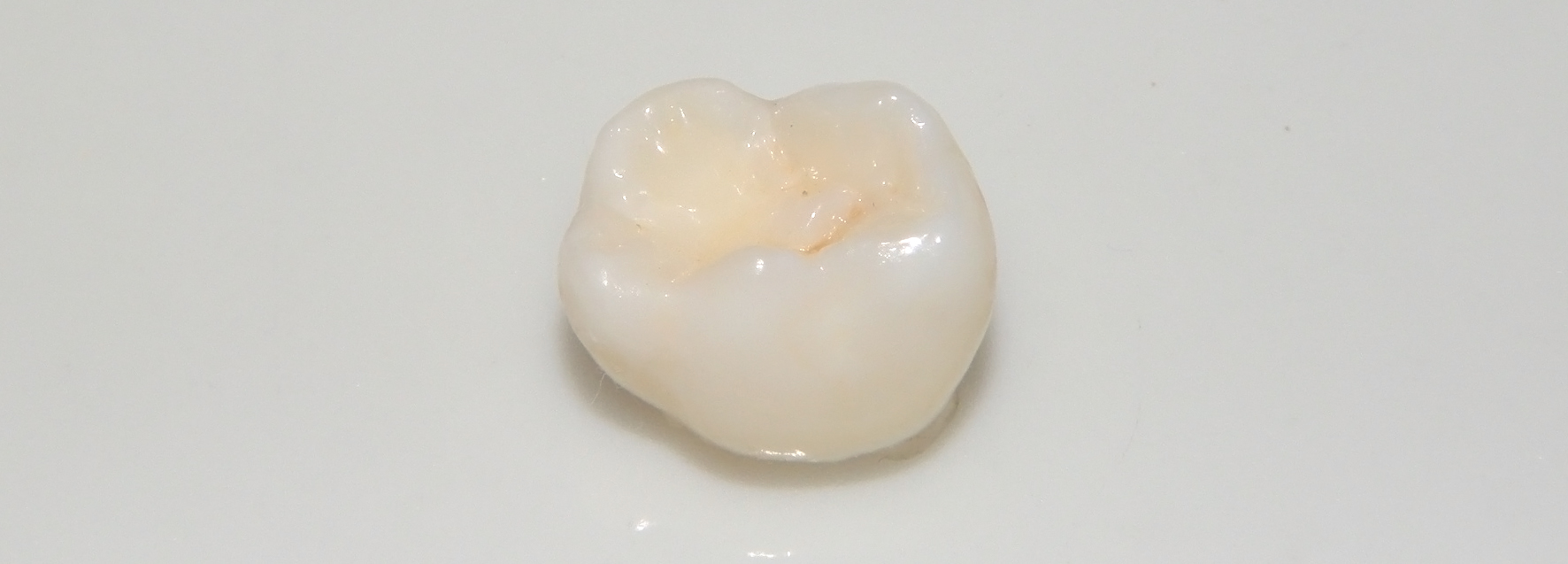
Composite fillings, often called white fillings, are tooth-colored restorations that can be matched to the shade of a child’s natural tooth. Unlike silver amalgam fillings, composite material bonds directly to the tooth rather than relying on mechanical retention alone. This bonding quality helps restore tooth structure while offering a more natural appearance. Composite fillings can also address certain chipped or irregular teeth, making them a versatile restorative option.
What Does a Filling Feel Like for a Child?
Pediatric dental teams are trained to make treatment as comfortable as possible. Age-appropriate explanations, a calm environment, and child-friendly techniques all contribute to a smoother experience. Parents are encouraged to share any concerns or previous dental experiences with the team ahead of the appointment so the visit can be tailored accordingly.
How to Help Your Child Avoid Future Cavities
Protecting an existing filling starts with good daily habits. Brushing twice a day with a fluoride toothpaste appropriate for your child’s age, flossing once teeth sit close together, and limiting frequent sugary snacks and drinks all make a difference. Routine visits to the pediatric dentist — roughly twice a year when appropriate — help catch new decay early and keep existing restorations in good shape.
Keep Your Child’s Smile Strong and Cavity-Free
Dental fillings offer a reliable way to repair decay, preserve healthy tooth structure, and restore normal function. Addressing a cavity early is almost always simpler than waiting. Dr. Eric Soper and the team at Pediatric Dental Center are proud to serve families across Burlington, Cold Spring, and Northern Kentucky with compassionate, child-focused care. Think your child may have a cavity? Don’t wait for it to grow — schedule a pediatric dental visit today and protect that little smile!
Contact the Pediatric Dental Center for expert care!