Healthy Gums Start Young: How to Prevent Gingivitis in Children
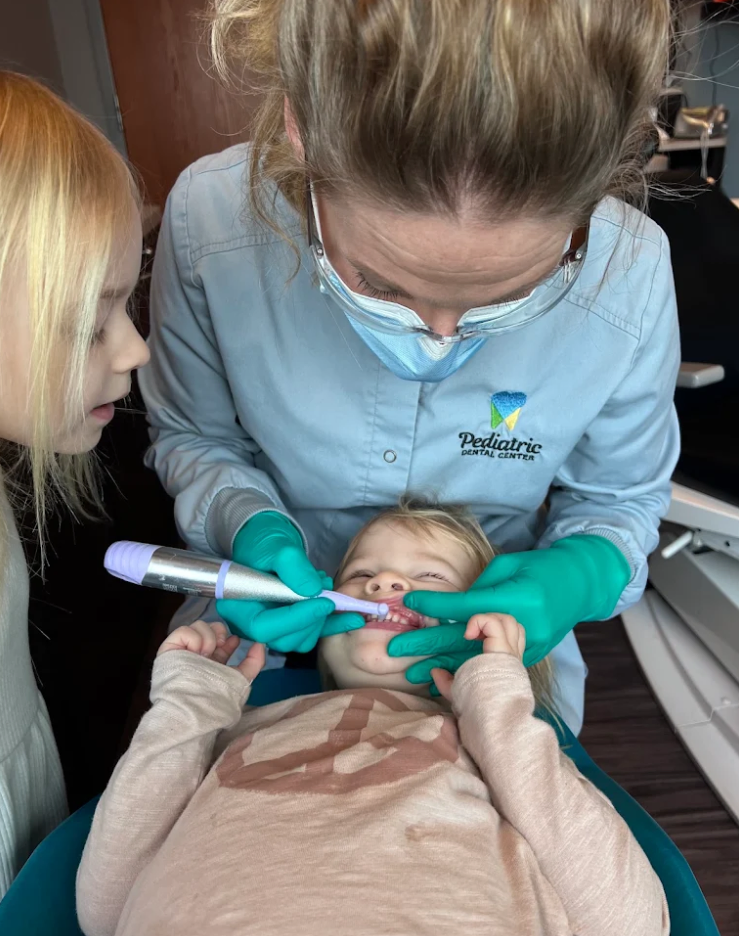
Can children get gingivitis? Yes. Gingivitis in children develops when plaque builds up along the gumline, causing inflammation that regular dental visits and good home habits can prevent.
A child can have a bright, cavity-free smile and still have a gum problem hiding in plain sight. Gingivitis is an early form of gum inflammation that develops when plaque accumulates along the gumline, and it is more common in children than many parents realize. The good news: prevention starts early, through consistent brushing, flossing, and professional dental care. At the Pediatric Dental Center, Dr. Eric Soper provides pediatric gum disease prevention for families in Burlington, Cold Spring, and Northern Kentucky, helping children build healthy habits before small concerns grow into larger ones.
What Is Gingivitis in Children?
Gingivitis is inflammation of the gums caused by plaque, a soft, sticky film of bacteria that forms on teeth. When plaque is not removed through regular brushing and flossing, it irritates the surrounding gum tissue. Parents may notice red or swollen gums, bleeding during brushing or flossing, tenderness around the gumline, or persistent bad breath. Bleeding gums should never simply be dismissed as normal. These are early signals that the gums need attention.
Why Children Can Develop Gingivitis
Inconsistent brushing and flossing allow plaque to accumulate, particularly in hard-to-clean areas around crowded or newly erupting teeth. Sugary snacks and frequently consumed sweet drinks can also contribute to overall oral health problems over time. Importantly, gingivitis is not necessarily a sign that a child is doing something seriously wrong. It is an opportunity to improve their routine before the condition progresses.
How Regular Dental Visits Help Prevent Gingivitis
Professional cleanings remove plaque and tartar buildup that daily brushing simply cannot reach. During pediatric dental exams, the dental team monitors gum health over time, making it possible to catch inflammation early when it is far easier to manage. Regular visits also give children age-appropriate guidance on brushing and flossing, building the kind of lifelong habits that protect their smiles well into adulthood.
What Parents Can Do Between Dental Visits
Twice-daily brushing with fluoride toothpaste is the foundation of a strong oral care routine. Once a child’s teeth begin touching each other, daily flossing becomes essential. Younger children need help or close supervision, since most lack the dexterity to brush effectively on their own. Encouraging water over sugary drinks, offering balanced food choices, and periodically checking gums for redness or swelling are all practical steps parents can take between appointments. Routine dental visits should be kept even when a child’s teeth appear perfectly healthy.
What Can Happen If Gingivitis Is Left Untreated?
Gingivitis is the earliest stage of gum disease, and ignoring it carries real risks. Persistent inflammation can progress to periodontitis, a more advanced form of gum disease that damages the tissues and bone supporting the teeth. In severe cases, this can contribute to tooth loss. Protecting a child’s developing smile means addressing gum concerns early, not waiting until symptoms become serious.
Building a Lifetime of Healthy Gums
Children’s dental care goes beyond preventing cavities. Healthy gums are the foundation of a healthy mouth, and small daily habits built in childhood carry forward for life. Families in Burlington, Cold Spring, and Northern Kentucky are encouraged to schedule regular care with Dr. Eric Soper at the Pediatric Dental Center, where every visit supports a healthier, stronger smile.
Contact the Pediatric Dental Center for expert care!